Showing posts with label arts. Show all posts

Tuesday, March 17, 2009

Googles the Duck

At long last I have finished Googles the Duck. He was intended to be a Christmas present for my stepsister, but uncontrollable circumstances delayed his completion until today. His design comes from the book Kyuuto! Japanese Crafts!: Amigurumi by Chronicle Books. It was originally published in 主婦と生活社, which roughly translates to Housewife and Life Style Co.

Hmm I'm no housewife, but it'd be a compliment to be considered as crafty as one!

Here are some pictures of Googles in his natural habitat--Botanica by Barnes and Noble Books:


Friday, August 1, 2008

Behind Deadline?

As far back as May 28, the Capitol Hill Chamber of Commerce was supposed to have submitted a report to the City Council's Cultural Overlay District Advisory Committee that would "inform [the committee's] process for establishing the City’s first Cultural Overlay District," according to the committee's Web site.

But neither the committee's Web site nor the Chamber's Web site has a copy. As of two weeks ago, Dennis Sellin of Lunde Consulting, the company hired to facilitate the committee, had never seen the report or heard its status.

Is it possible that the Chamber is still working on it? This Craigslist ad, posted July 30 suggests so:


Clickable

Monday, July 28, 2008

Concert Diary: Capitol Hill Block Party, July 26

Summer is the time to indulge in live music. This past weekend was no different.
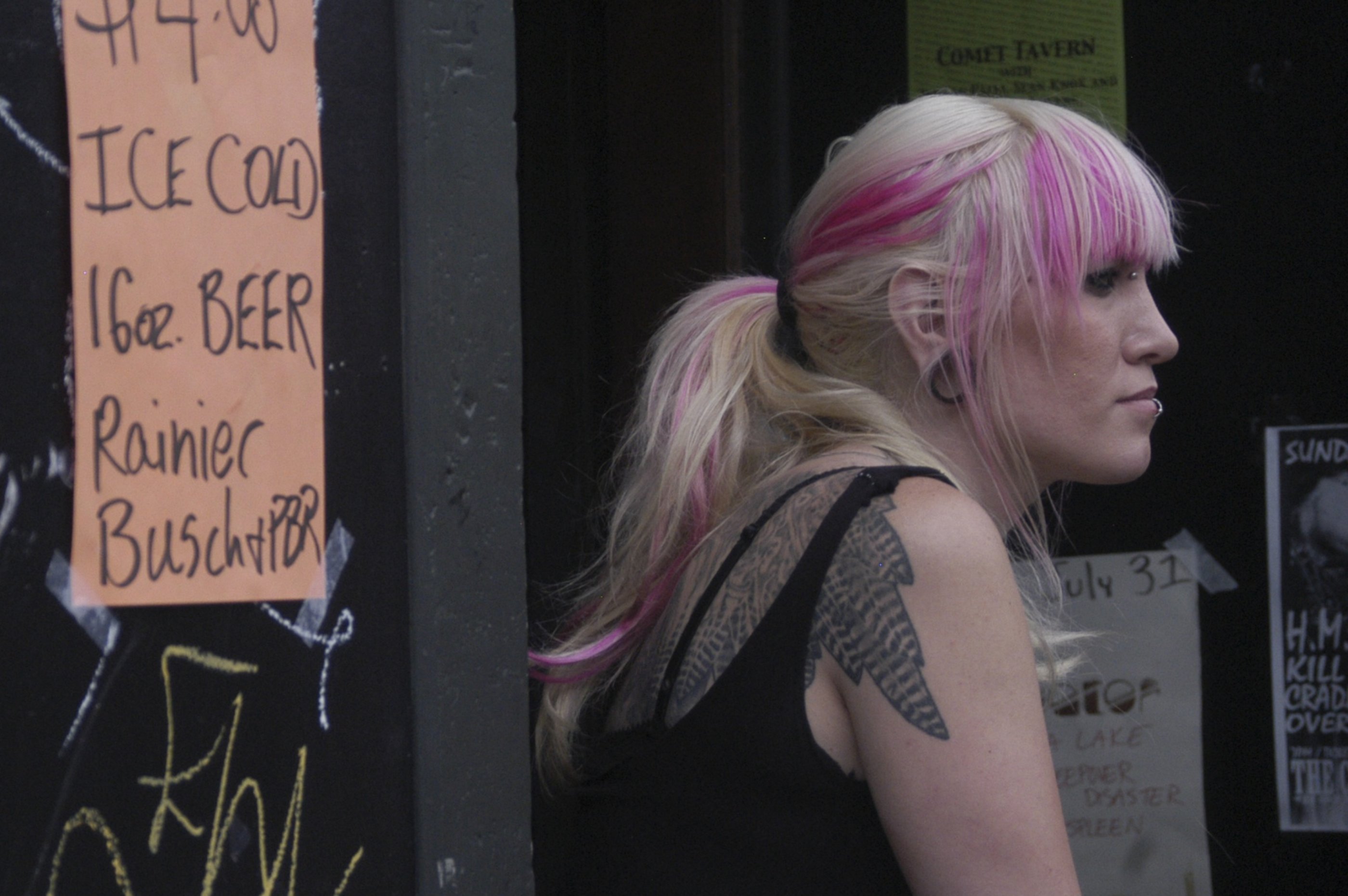
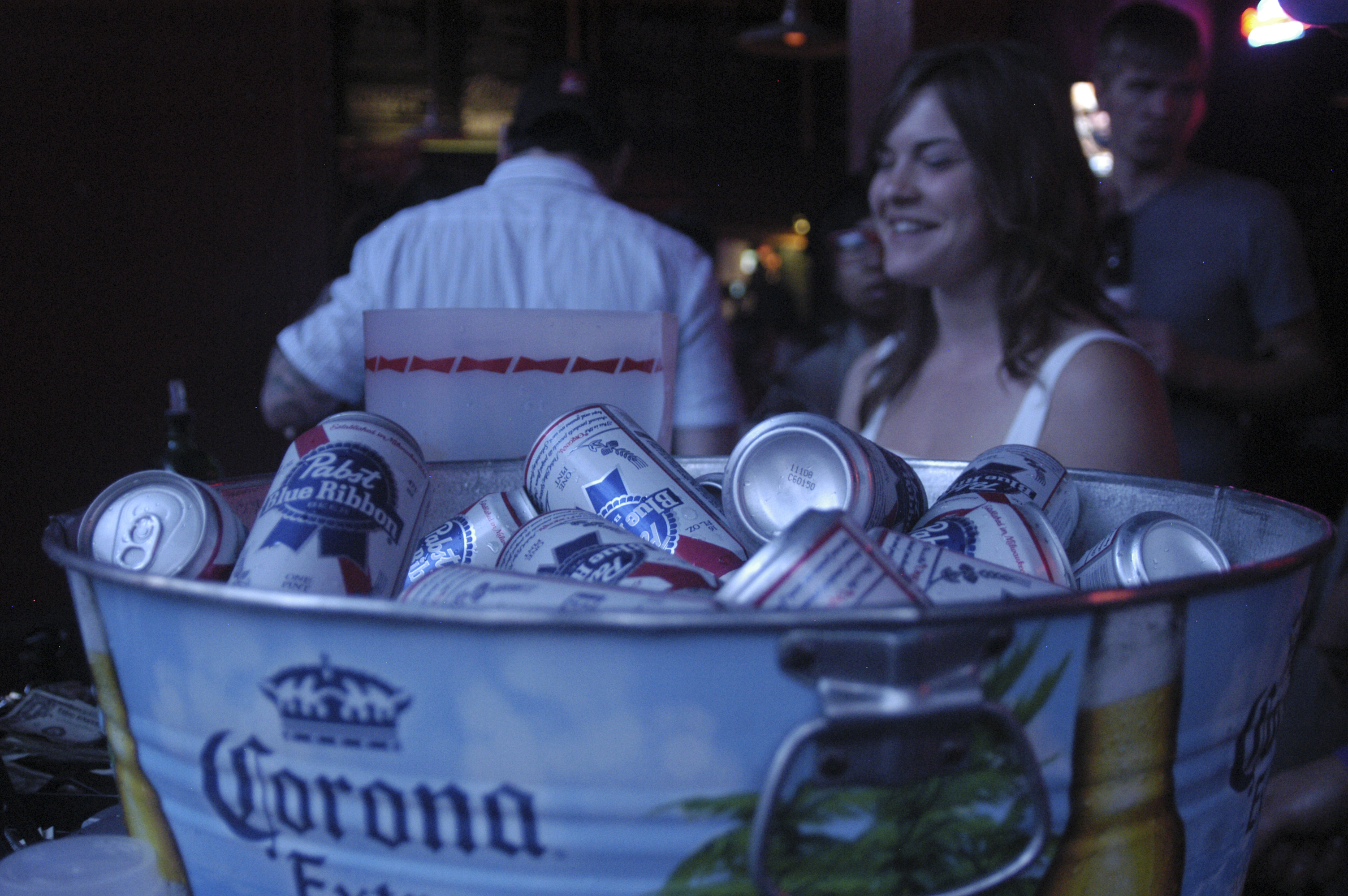
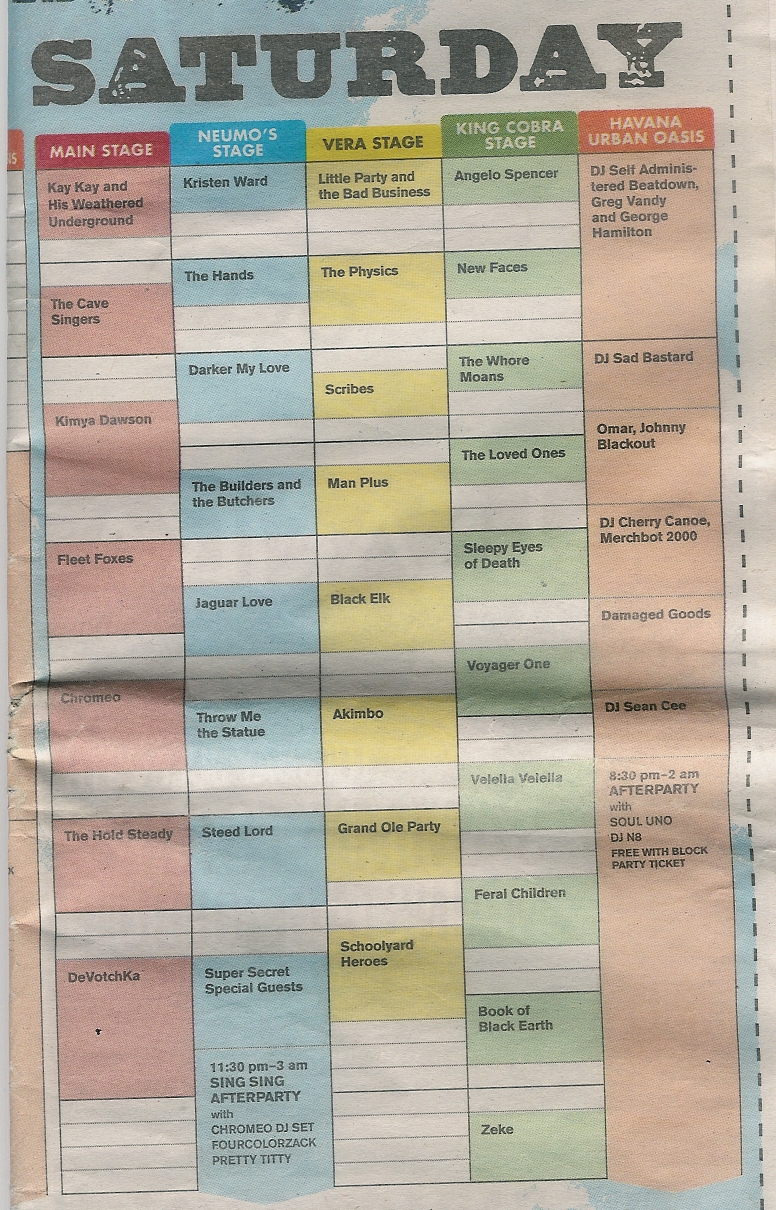
The Capitol Hill Block Party sold out Friday, and Saturday was packed too. The Block Party is just how Capitol Hill residents like it — lots of cheap beer and local bands, and nothing starting before 2p.m.

Kay Kay and his Weathered Underground warmed up the Main Stage for a moderate crowd.

"Ain't no mother-fucking crime committed here last year!" Kay Kay enthused, reminding people to "keep it safe." After the brief PSA, the band got down to what they do best — a fun mix of jazzy blues pop sprinkled with a little bit of soulful violin.

The bands were spaced so that there might be half an hour or nothing between sets at different stages. Good thing there were so many other things to do, in case of the former.

People watching, photography, and drinking were popular activities. Some enjoyed all three. Ahem.

The Hands played an amazing show, energizing the dark stage inside of Neumo's. The Seattle band has garnered well-deserved tribute from local music writers for their hard, but not-too hard-to-dance punk rock.
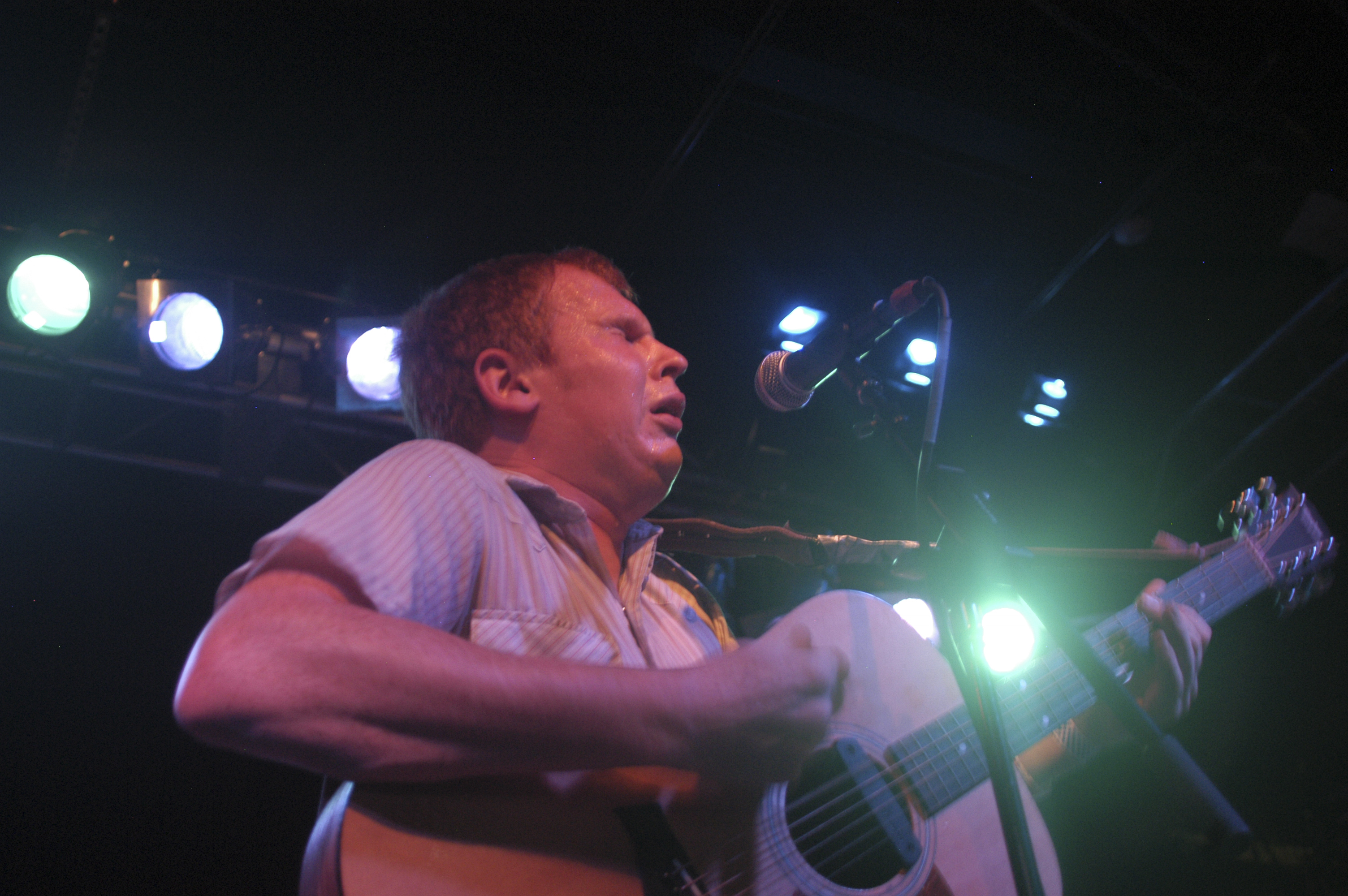
A brief ramble through the main drag revealed Kimya Dawson to be charming the pants off the crowd with her cute voice and quirky songs. She said she had been scheduled to play the Block Party another year, but since she was due at any moment, her manager forbid her. She was disappointed, she said, because she'd imagined having her water break all over stage to spray down on the crowd.

In more pleasant news, Dawson also announced that she will be releasing a CD of children's songs soon.

Next up was The Builders and the Butchers, a rock group from Portland with folk and country influences. One group of fans had come from Portland to see the band, even though they'd never heard them before.

Lead singer Ryan Sollee sang with a passion that really lent some impact to their ballads. The two percussionists in back didn't hurt either.

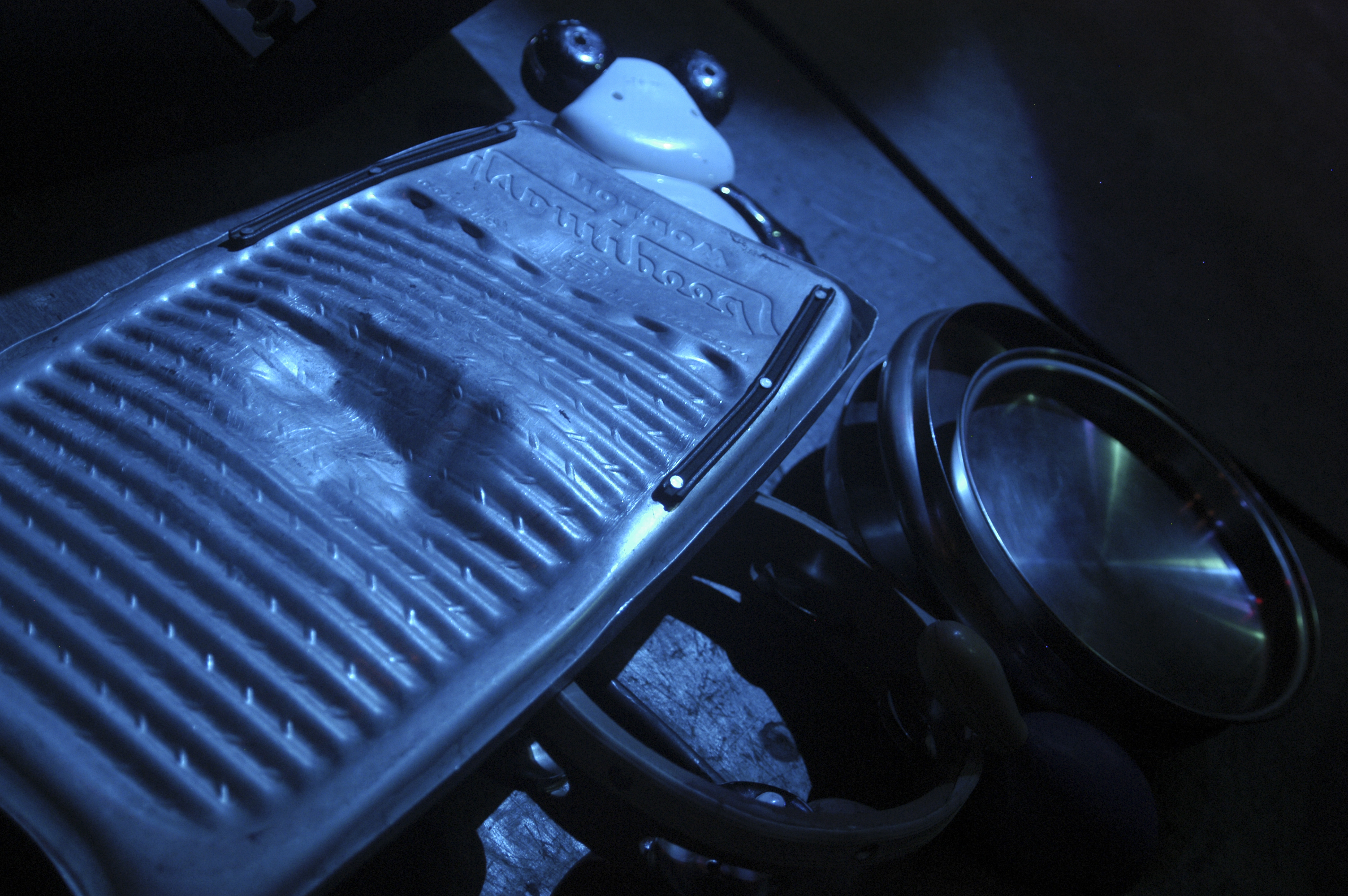
Halfway through the set, the band sent all sorts of noise makers into the crowd: maracas, tambourines, baby rattles, and pot lids, to name a few. Drummer Paul Seely's surprise switch to trumpet topped off their performance and then it was off to...
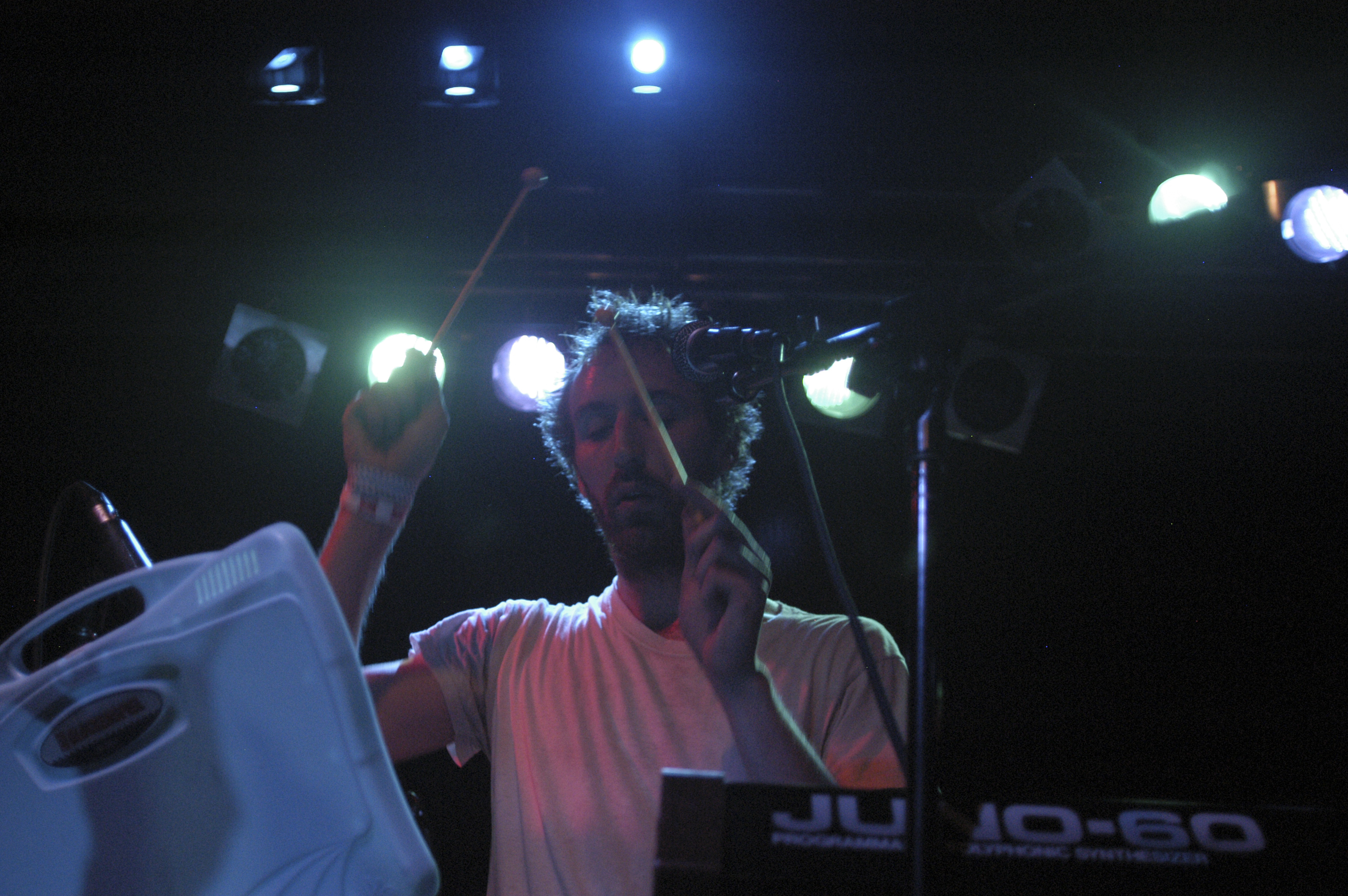
Catch the first half of Fleet Foxes. This is one band that's got their shit together. From playing twice at Sasquatch this year (well, three times for drummer J Tillman), to signing to Sub Pop, and all the good press, it almost makes you want them to disappoint. But they don't.

Somebody must have planned their 6p.m. start time for the light, because it complimented the Foxes' airy, spiritual folk perfectly. Movement around the stage slowed as the band lulled their audience into contented amazement.

It was a whole nother story back at the Neumo's stage. Jaguar Power, fronted by former Blood Brothers singer Johnny Whitney, pumped out snarling lyrics and machine-gun drums as the bassist swayed slowly in '60s throwback white.

Throw me the Statue followed with a fun set where front man Scott Reitherman pulled out a drum and Jarred Grimes the glockenspiel, all made that much sweet by Reitherman's dreamy vocals.


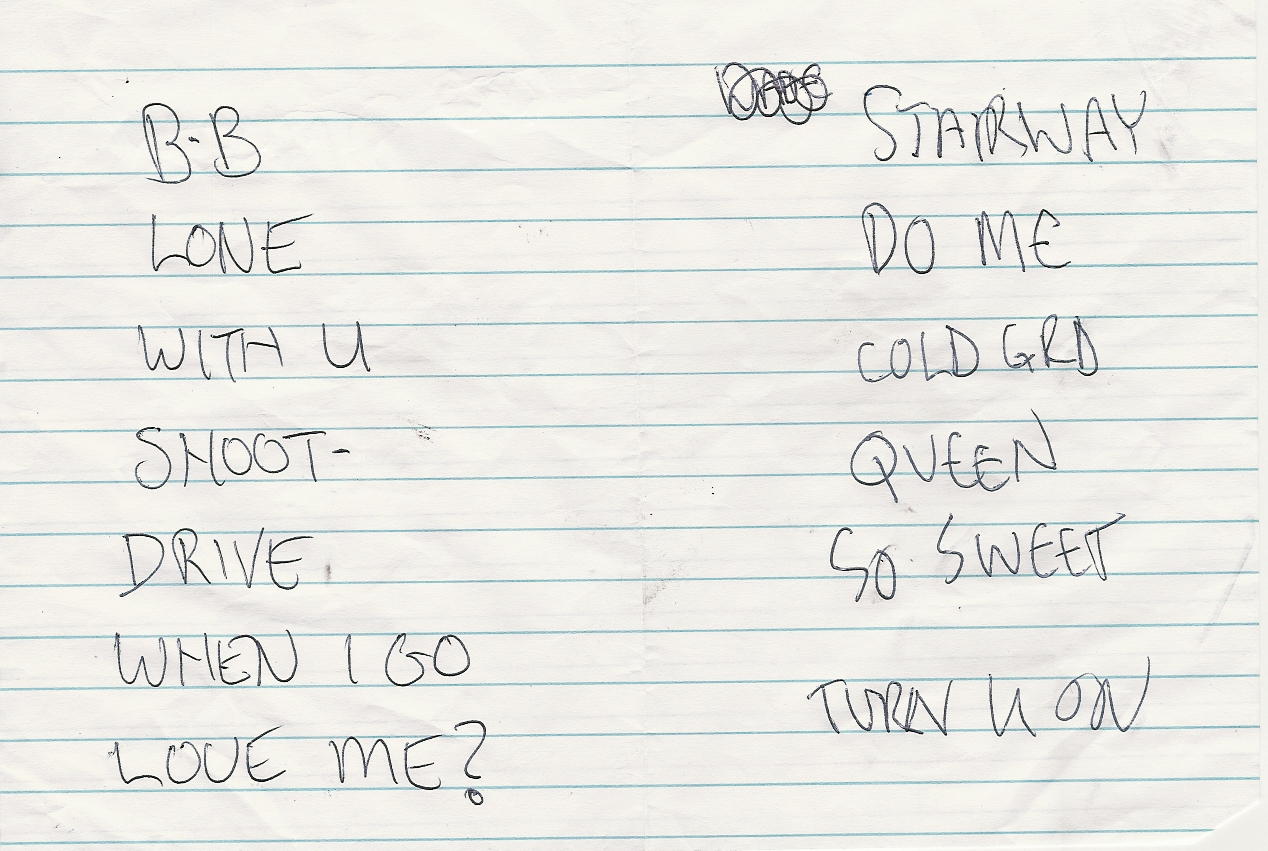
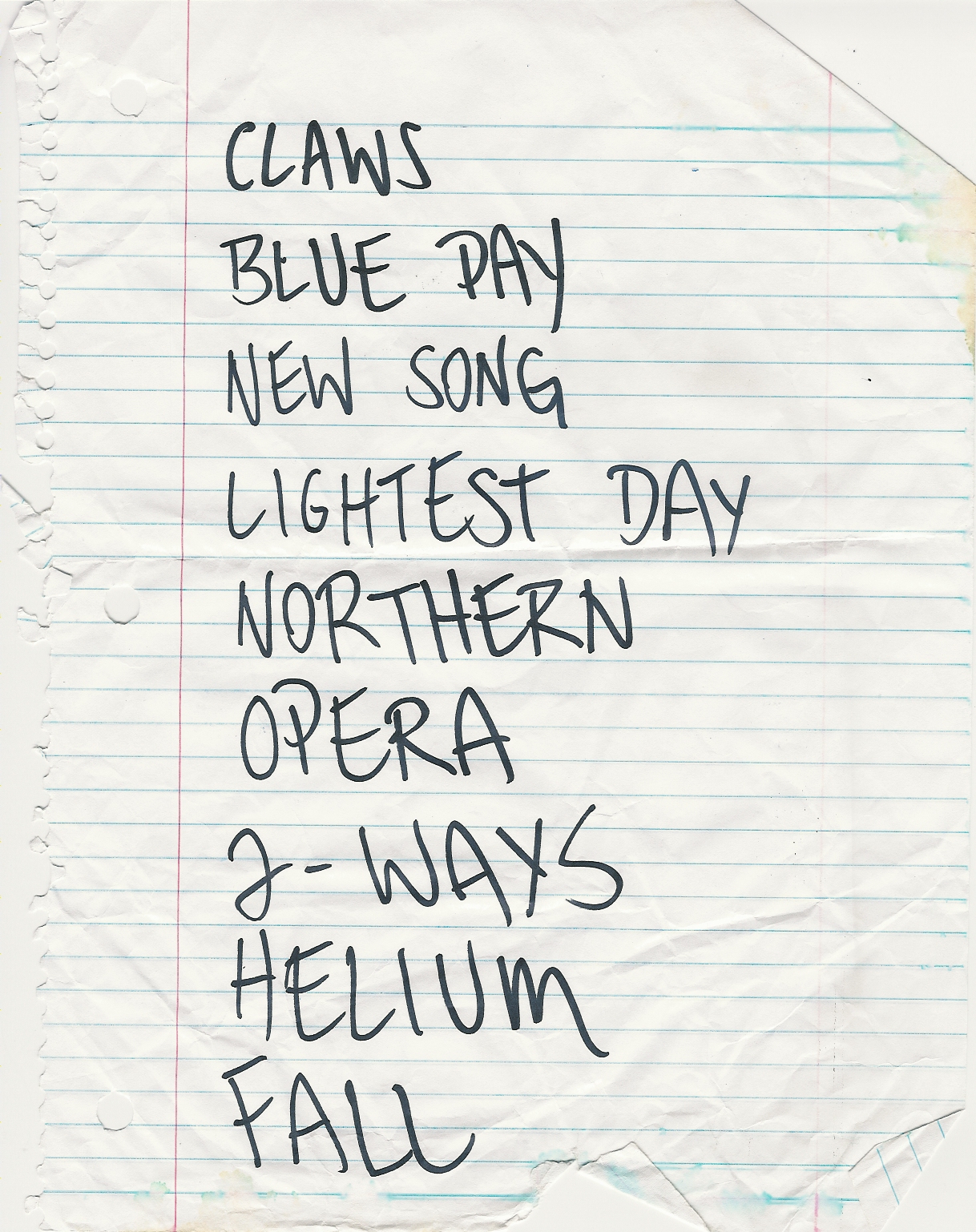
Extra Bonus Scans!

Sunday, July 27, 2008

Watching The Watchers

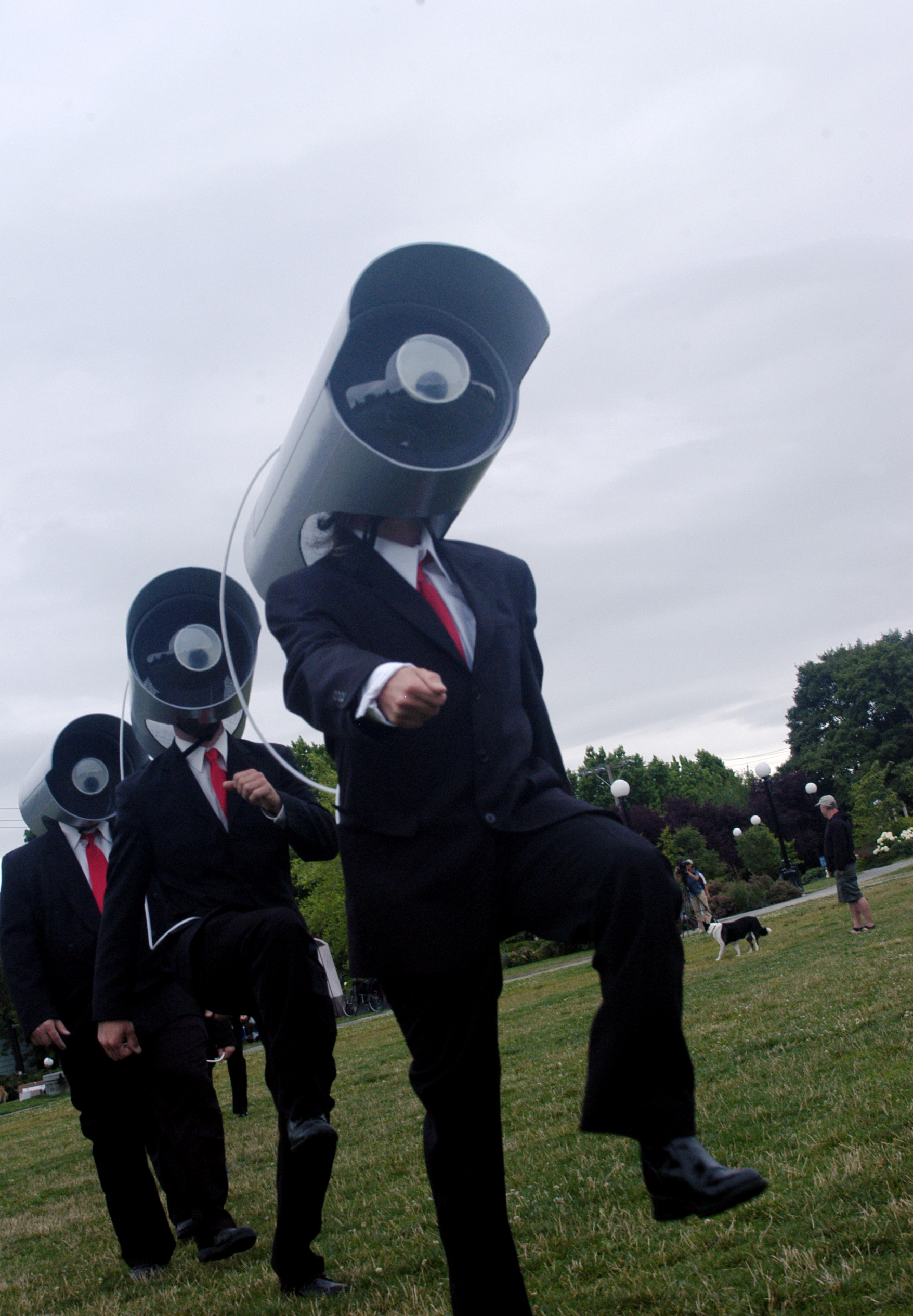
Cal Anderson Park got a little extra surveillance July 26 when several suited individuals with security cameras for heads wandered through the park as a part of the Camerahead Project.
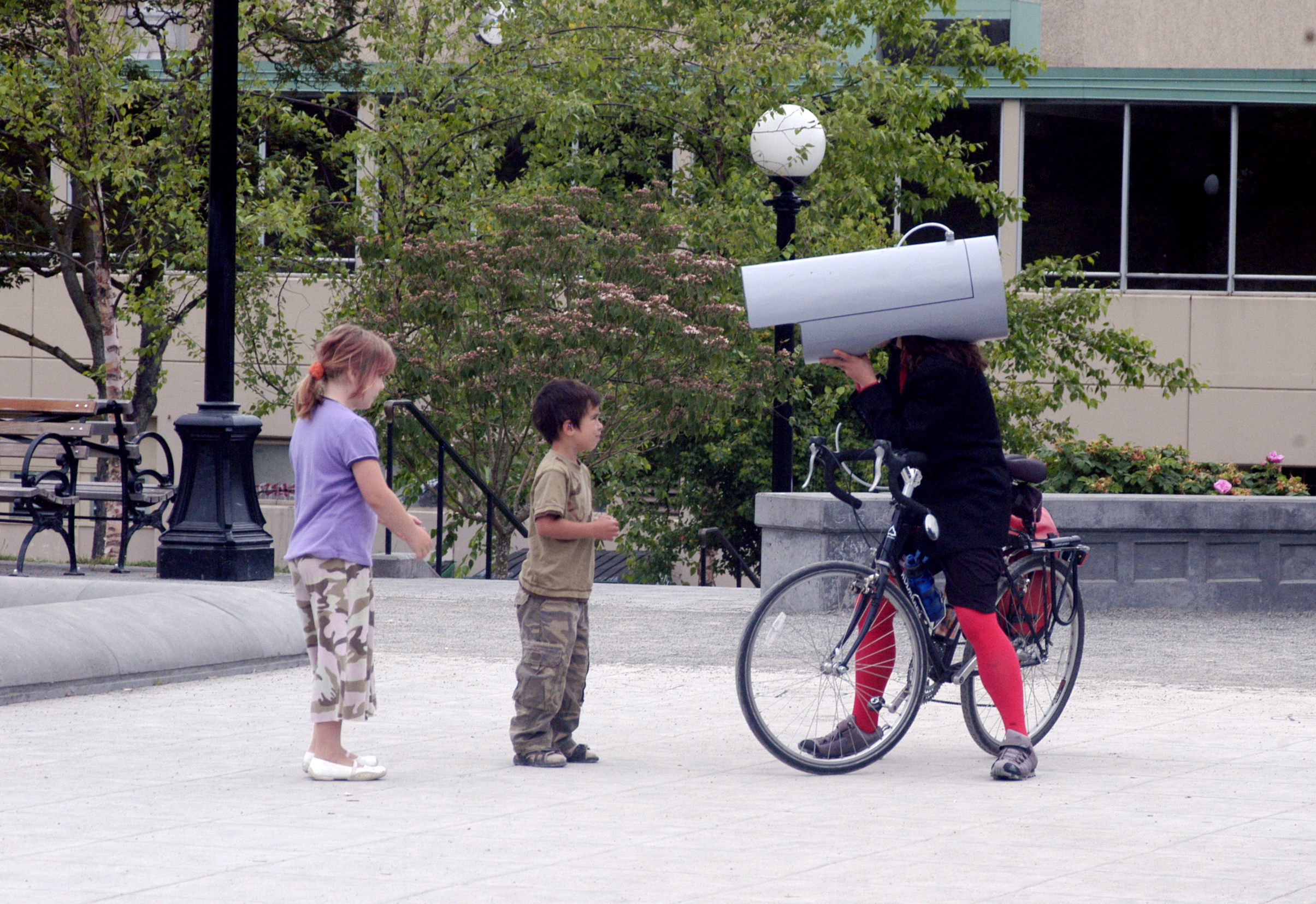
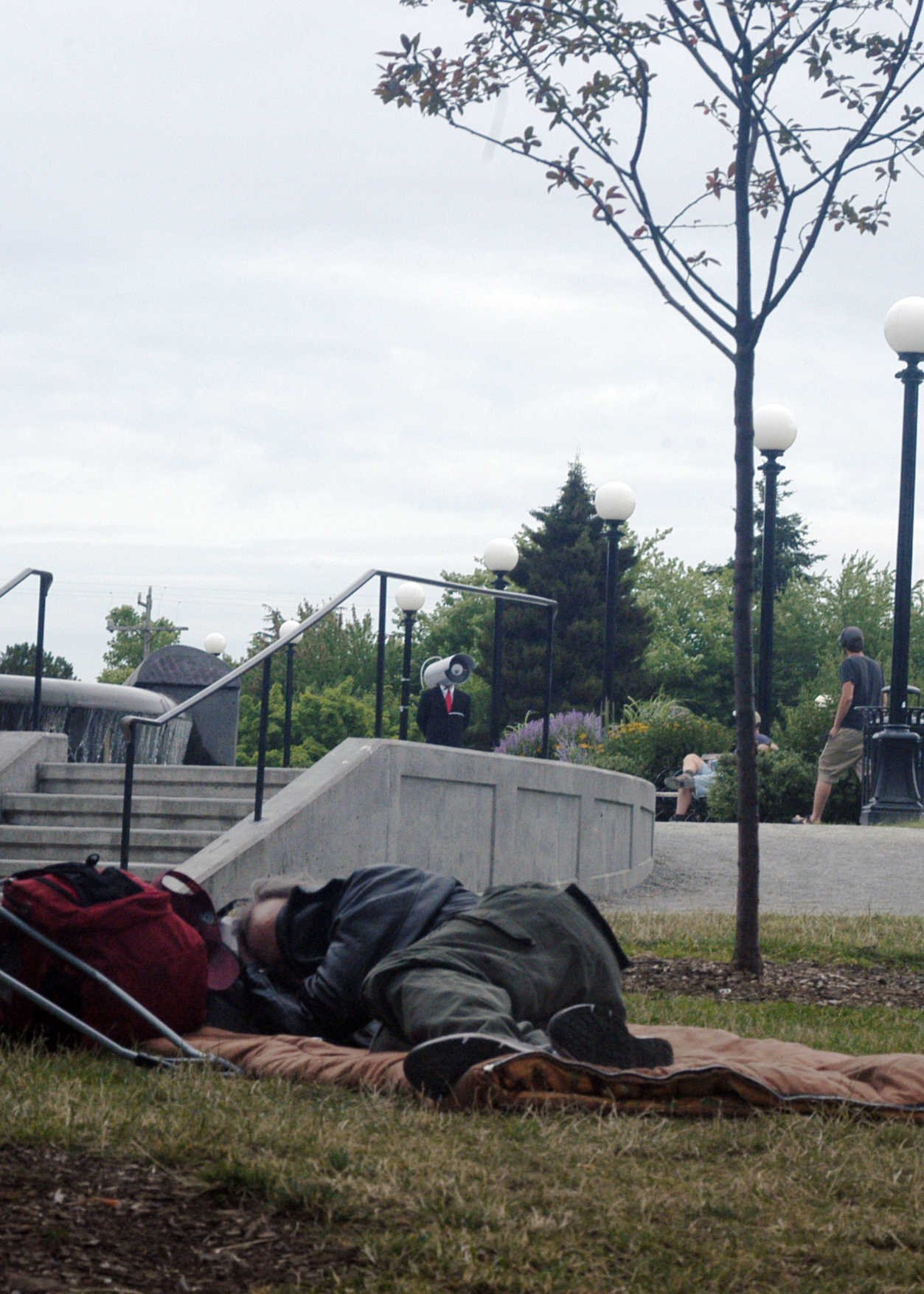
The City of Seattle installed three security cameras in the Capitol Hill park in January despite a City Council budget proviso requiring definition of protocol for usage of the cameras, a move that surprised and upset some, including artist Paul Strong Jr.

Strong, who usually does sculpture, had just read
Little Brother by Corey Doctorow, and inspired by Pablo Defendini's poster for the book depicting a suited man with a camera for a head, created the project to bring the issue to life, literally.

Working from the first model he wore to Doctorow's book reading in Seattle, Strong constructed about a dozen more Cameraheads — his name for the suited security-camera lookalikes —
with either a digital camera mounted to take pictures in a parody of the security cameras, or a face-obscuring hemisphere of shiny plastic, to complete the camera look.

Strong also solicited volunteers and bought outfits at Value Village so that friends and volunteers could wander the park and bring the issue face-to-face with park users.

"It's still something watching you," said teenage Camerahead volunteer Marissa Horan, explaining why she got involved in the project. "I makes you feel like you're doing something wrong." She volunteered with 11-year-old Aidan, whom she babysits.

He echoed her concerns, "It feels like... turning 18 during the war. You don't feel very safe."


Most at the park seemed amused by the costumes, some even taking pictures and joking with the Cameraheads.

But one man, when approached by a Camerahead, shouted, "Why don't you take that shit to Olympia? You're just getting the negative reaction you expected."

Under an ordinance passed June 9, police can access footage, watch live taping, or direct the cameras in the case of a reasonable suspicion of a crime, an ongoing investigation, or in a State of Emergency.

But meeting minutes from a February 28 Parks meeting indicate that the department expected a different use for the cameras, writing "the use of camera surveillance and park rangers is to increase the public’s perception of safety in Seattle’s downtown parks."

ACLU Communications Director, Douglas Honig, who passed out fliers at the event, says that the cameras are not an issue of legality but that the group is worried about growing security camera presence in public places.

The City installed cameras in the park around the same time as increasing police presence and creating the new position of Park Ranger, seven uniformed Parks employees who patrol several center-city parks. The rangers can issue Parks Exclusions for any activity prohibited by Parks or Seattle Municipal codes, which includes alcohol consumption without a permit and sleeping overnight with "sleeping equipment."

The park already had two cameras installed to monitor the reservoir before it was covered, as recommended by the Environmental Protection Agency.

Strong plans to take his project to the Burning Man arts festival in Black Rock, Nevada
in August.

For Further Information:

Wednesday, July 23, 2008

A Primer In Guerilla Housing Tactics

Max Rameau and other homeless occupied and set up homes on an empty lot in Miami for six months in 2006. Development had forced the city's homeless population out, so Rameau and his organization Take Back the Land decided to make use of the unused. While the settlement is no longer there, the group now finds homes for people in government-owned, abandoned and foreclosed houses.

Rameau explains his unique strategy in an interview published in Real Change News last week:

Where do you think the movement for housing justice should be focused now?

I think it’s important for social justice movements to identify core, root problems, and not lose the forest for the trees. Not to get so caught up in the individual scenarios that are going on in the individual communities that you lose sight of the bigger picture. And I think the core issue here that we’re dealing with as we approach the post-gentrification phase, in which gentrification is no longer an effective economic cycle, is the importance of land and community control over land.

The issue of community control over land really transcends the issue of gentrification, transcends the issue of housing, because land is used for more than just housing. Land is really that core, fundamental issue that those other issues sit on top of. We need to keep that big fundamental issue in mind, so we don’t lose track of what we’re really fighting for, particularly as material conditions dictate changes in our strategies and tactics.

Five years before Rameau and others occupied the abandoned lot in Miami, writer and musician Eric Lyle led other San Franciscans to take over a large building on Market Street and set up a free breakfast cafe and concert space. The building had been empty since 1997, and though police removed them from the building one month later, the building remains empty and unchanged.

Lyle explains his reason for leading the takeover in his book, On the Lower Frequencies: A Secret History of the City, released this year:

I'm just saying that I'm tired of being expected to self-identify as someone under attack, someone who is powerless and who is being forced out. We wanted to do shows that asked, 'What do we WANT the city to look like? How can we make it happen? If we really had all the space everyone says they need to do stuff, what exactly WOULD we do with it?' We wanted to do shows that remind people of the power that they actually DO have.

Seattle seems to be behind other big cities in the gentrification cycle. Do these two advocates have something to teach Seattleites about creating accessible space?

Tuesday, July 22, 2008

City Council Advisory Committee Takes First Steps Towards Cultural Overlay Districts

A newly formed advisory committee to the City Council held its first meeting yesterday to discuss how Seattle might preserve affordable arts space through a type of neighborhood planning called the Cultural Overlay District.

Already used in other US cities, the district is designed to preserve low-cost art space through cooperation with developers, like special zoning allowances and expediting permit approval.

The advisory committee is made up of developers, residents, business owners, and arts administrators, including Hallie Kuperman, owner of Century Ballroom located in the Oddfellows Hall, and Richard Muhlebach of Kennedy Wilson Development.

“I was pleasantly surprised at the level of discourse and the willingness to cooperate between the committee members,” says Dennis Sellin, Senior Associate at Lund Consulting, the firm facilitating the meetings for the City Council.

“I haven’t seen arts organizers, property developers and owners in the same room and talking the same language before, and I think that is extremely necessary to bring a good recommendation out of this process.”

Rapid development of Capitol Hill and the subsequent flight of arts organizations spurred the local arts community to advocate for creation of the districts in Seattle, which led to the creation of the committee. Arts administrators and fans packed the City Council's April 2 Culture, Civil Rights, Health and Personnel Committee meeting after news that the new owner of the Odd Fellows Hall on East Pine Street and 10th Avenue had raised rents about 200 percent.

But it is not just Capitol Hill residents — representatives from West Seattle and the International and Central districts are also serving on the committee. The committee is expected to focus on Capitol Hill to create a model for other neighborhoods.

The Seattle Department of Planning and Development and Office of Arts and Cultural Affairs may advise the committee, and a subcommittee of the Capitol Hill Chamber of Commerce Arts and Entertainment Committee, co-chaired by CODAC member Matthew Kwatinetz, will submit a report also.

The City Council will hear the committee's recommendations at a joint meeting of its Planning, Land Use, and Neighborhoods and Culture, Civil Rights, Health, and Personnel in September, before the City Budget is finalized, and will then present them to Mayor Nickels.

For Further Reference: